The Future of Retail is Here — and Smarter Than Ever
Retail tech trends 2025 are revolutionizing how businesses serve customers, manage operations, and stay ahead of competition. From hyper-personalized shopping to voice-enabled ordering, the retail industry is undergoing a digital renaissance. These eight cutting-edge innovations are reshaping every layer of the retail experience.
1. AI-Powered Personalization
In 2025, AI personalization is standard—not optional. Retailers are using advanced machine learning to tailor shopping experiences in real time.
Key innovations include:
- Real-time recommendations based on micro-behaviors
- Emotion detection in customer service chats
- Hyper-personalized emails, landing pages, and app experiences
- In-store recognition using loyalty apps and facial ID
Use Case: Sephora’s Virtual Artist lets users try on makeup virtually using AI based on skin tone and purchase history. It improves decision-making, average order value, and satisfaction.
2. Autonomous Stores and Smart Checkout
Say goodbye to checkout lines. Smart stores now use sensors, cameras, and AI to enable “grab-and-go” shopping.
Innovations include:
- RFID smart carts
- Facial recognition payments
- Smart shelves that manage inventory
Use Case: Walmart’s smart carts total bills automatically and accept mobile payments, streamlining the customer journey and cutting labor costs.
3. Generative AI and Agentic AI in Retail Workflows
Retailers are integrating Generative AI to generate content and Agentic AI to automate operations.
These systems can:
- Generate hyper-localized ads and product descriptions
- Autonomously reorder inventory based on sales data
- Adjust prices and campaign budgets in real-time
Use Case: Levi’s tests AI-generated models for digital catalogs, while Walmart uses agents to track logistics and prevent stock issues.
Read Also
- Perfect Corp’s Revenue Soars on Demand for AR-Powered Beauty Tech
- Top 10 Fastest-Growing Retail Chains Globally in 2025
4. Extended Reality (XR) for Immersive Shopping
XR includes Augmented Reality (AR), Virtual Reality (VR), and Mixed Reality (MR) — giving shoppers an interactive experience.
XR in retail offers:
- Virtual try-ons (shoes, glasses, furniture)
- In-store MR glasses with product guides
- VR-based digital stores
Use Case: IKEA’s Place app uses LiDAR to let customers view furniture in their home environment at accurate scale—boosting confidence and reducing returns.
5. Robotics and Automation in Retail Operations
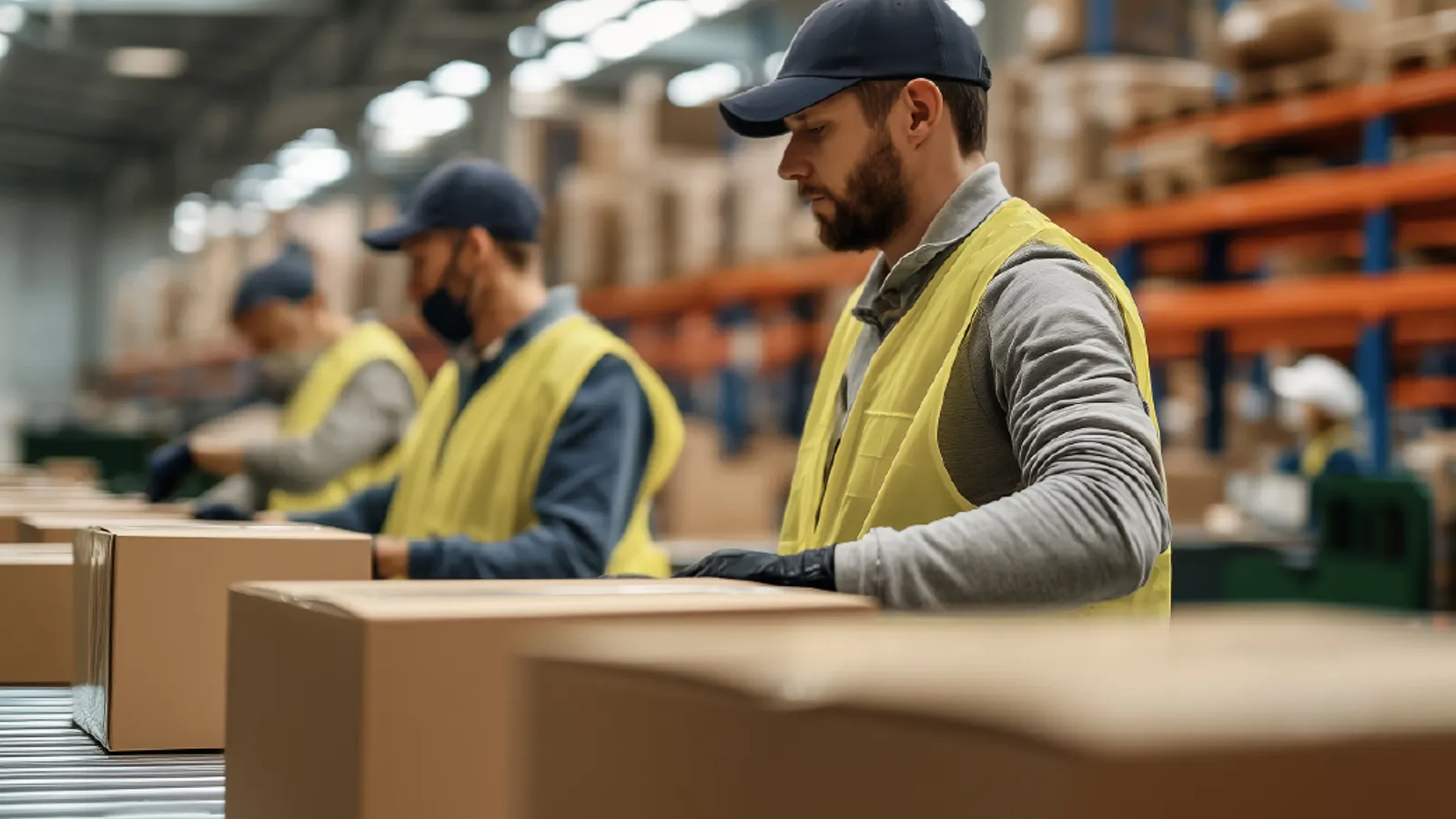
Retailers now rely on robots to streamline logistics and assist shoppers.
Examples include:
- Warehouse AGVs for picking and packing
- Shelf-scanning and cleaning bots
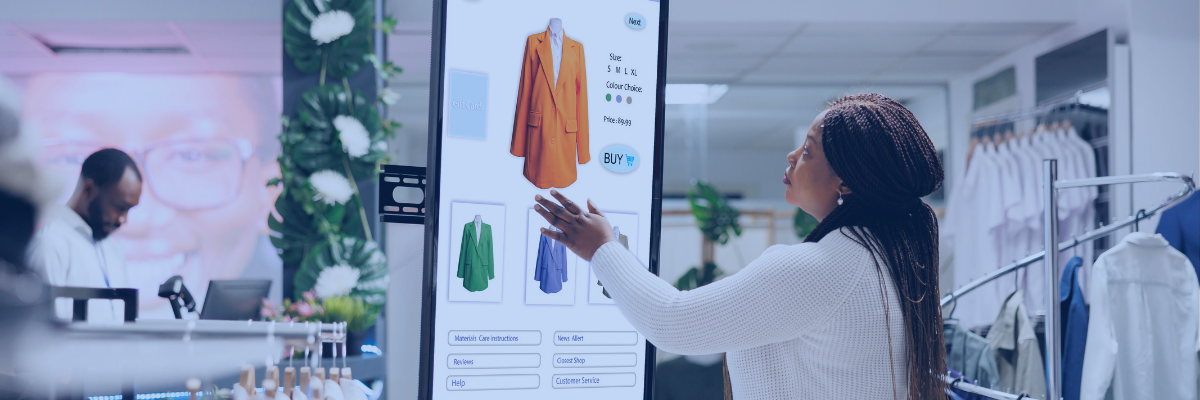
- Automated kiosks with AI-enabled checkouts
Use Case: Walmart’s robots scan aisles for inventory gaps, price errors, and restock needs—freeing up staff for customer service.
6. Edge Computing for Real-Time Retail Analytics
Edge computing allows instant data processing on-site, without relying on cloud delays.
Benefits include:
- Localized decision-making
- Real-time inventory control
- Enhanced data privacy compliance
Use Case: Target uses edge-powered systems to dynamically adjust signage, manage checkout congestion, and optimize store layout.
7. Predictive Inventory and Demand Forecasting
Retailers now use AI-driven forecasting to prevent overstock or stockouts by analyzing real-time purchase patterns, weather, and online trends.
This helps predict:
- Product demand by location
- Seasonal or social-driven spikes
- Stock timing and quantity
Use Case: Zara adjusts its supply chain based on AI predictions, aligning production with fast-changing fashion demands.
8. Voice Commerce & Conversational Shopping
Voice assistants and chatbots are transforming shopping into a hands-free, conversational experience.
Customers can:
- Ask questions naturally
- Place repeat orders
- Track deliveries via voice
Use Case: Domino’s lets users reorder favorites by saying, “Alexa, order my usual.” Meanwhile, WhatsApp bots guide users through purchases, returns, and upselling opportunities.
From AI personalization to voice commerce, these retail tech trends 2025 demonstrate how technology is rewriting the rules of retail. The brands that succeed will be those that leverage these innovations not just to impress—but to enhance convenience, personalization, and operational excellence across every customer touchpoint.