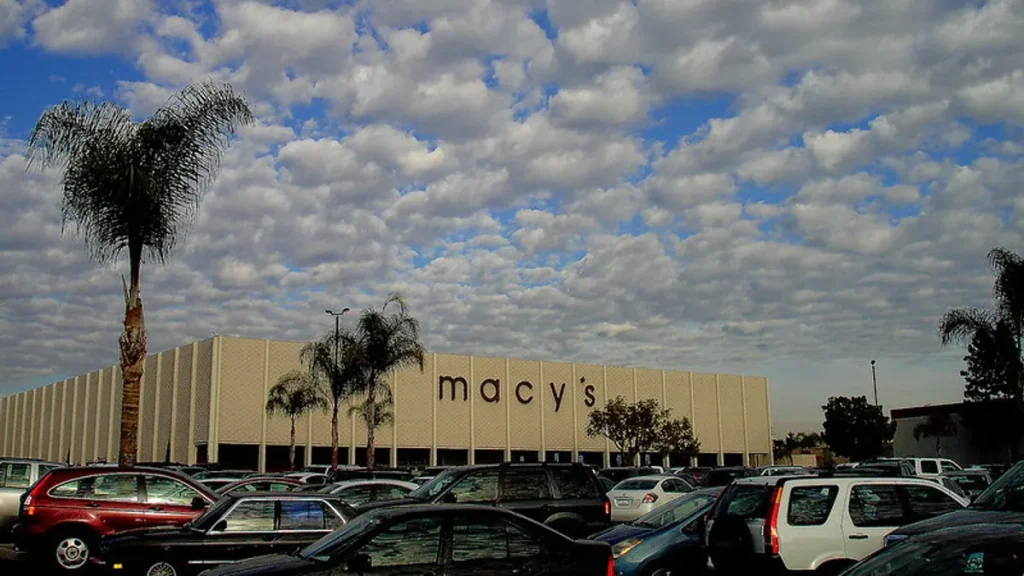
Macy’s is continuing its downsizing strategy by closing 14 stores across the United States in 2026. This move is part of the ongoing transformation plan led by CEO Tony Spring, who has been working to reshape the department store’s operations. Macy’s is focusing on streamlining its operations to drive profitability and enhance the customer experience in its most successful locations. Macy’s store closures 2026
In a memo to employees on January 8, 2026, Spring explained that the decision to close the stores was part of a broader strategy to focus investments on high-performing stores and improve key business areas like customer service, luxury offerings, and supply chain capabilities.
Where Macy’s Stores Will Close in 2026
The 14 stores set to close are spread across multiple states, with most of the closures happening in the first quarter of 2026. The list includes:
- California: La Mesa (Grossmont Center), Tracy (West Valley Mall)
- Georgia: Atlanta (Northlake Mall)
- Maryland: Glen Burnie (Marley Station)
- Michigan: Grandville (RiverTown Crossings)
- Minnesota: Saint Cloud (Crossroads Center)
- North Carolina: Raleigh (Triangle Town Center)
- New Hampshire: Newington (Mall at Fox Run)
- New Jersey: Livingston (Livingston Mall), Ramsey (Interstate Shopping Center)
- New York: Amherst (Boulevard Mall)
- Pennsylvania: Tarentum (Galleria at Pittsburgh Mills)
- Texas: Corpus Christi (La Palmera)
- Washington: Tukwila (Budget House Clearance)
A Macy’s store in the Buffalo area of New York is also slated for closure mid-year.
The closures include a mix of full-line department stores, a small-format location in Ramsey, New Jersey, and a clearance store in Tukwila, Washington. Interestingly, the Ramsey store’s closure marks a departure from Macy’s previous strategy under former CEO Jeff Gennette, which focused on expanding smaller-format stores.
Focusing on High-Performing Locations
Despite the closures, Spring emphasized that the company’s investments in revamping high-performing locations are paying off. Macy’s recently posted its strongest Q3 comparable sales growth in three years, led by stores that are staying open, including its flagship Macy’s State Street store in Chicago.
Spring highlighted that the company’s emphasis on store revamps and improvements in merchandising and customer service has led to positive results. Analysts at Evercore ISI noted that Macy’s changes are driving more progress than they have seen in the past 15 years.
Supporting Affected Employees
Macy’s has assured employees affected by the closures that they will receive support, including opportunities for transfers, severance packages, and outplacement services.
“We have made meaningful progress and remain clear-eyed about the work ahead,” Spring said, acknowledging that while the company has made strides, there is still more work to do in transforming Macy’s for the future.
Macy’s Strategy for 2026 and Beyond
The closure of these 14 stores is just one part of Macy’s ongoing efforts to streamline its operations, reduce overhead, and focus on the locations and business areas that offer the greatest potential for growth. As Macy’s continues to evolve, the company is focusing on enhancing its offerings in luxury retail, improving customer service, and optimizing its supply chain, all while aiming for long-term profitability.