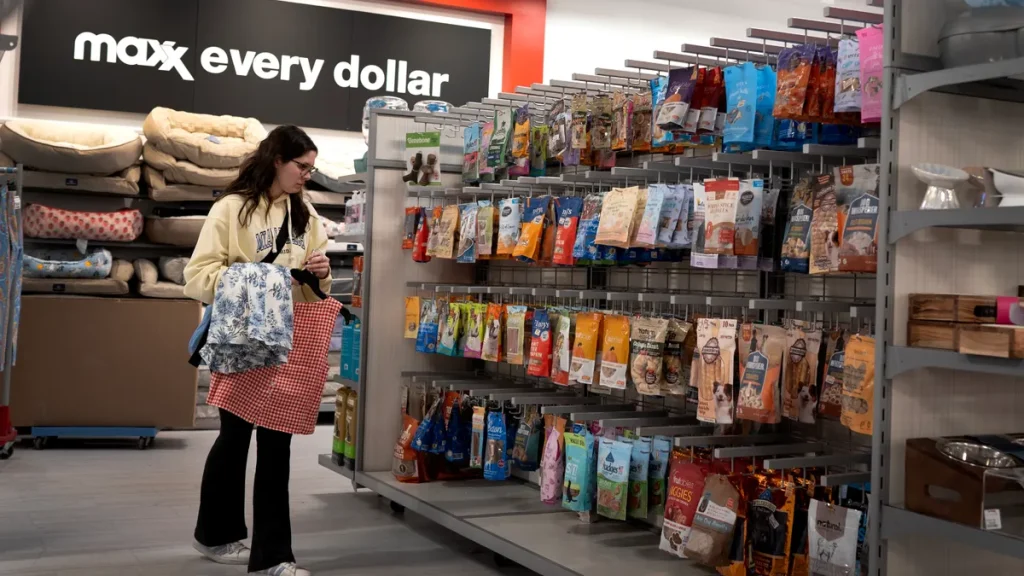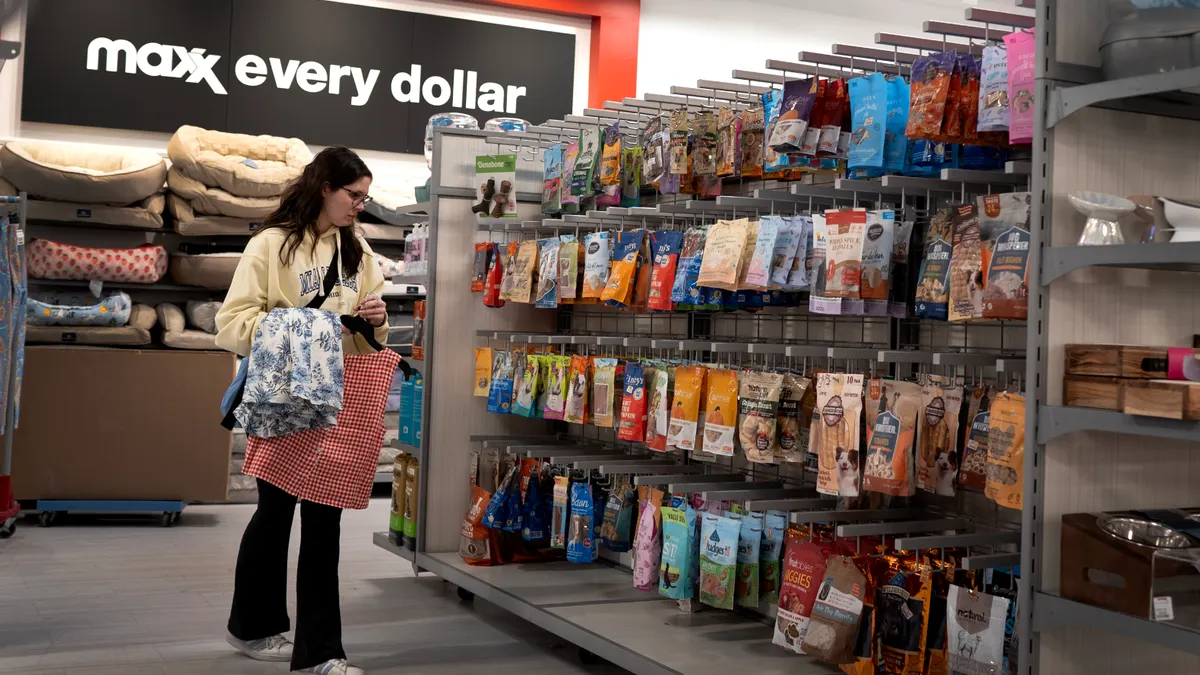
As the retail industry moves into 2026, a year filled with both challenges and opportunities, several key trends are poised to shape the future. From the rise of artificial intelligence (AI) in retail to a major shift in how malls operate, 2026 promises to be a year of significant evolution. Here are the top retail trends to keep an eye on this year.
1. AI Growth – But Will It Deliver ROI?
Artificial intelligence continues to revolutionize industries, and retail is no exception. After significant growth in AI-related traffic during the 2025 holiday season, retail is catching up in the AI race. AI chatbots and search technologies are transforming how consumers interact with brands and shop online.
However, the retail industry, historically slow to adopt AI, still faces challenges in proving a solid return on AI investments. As retailers increase AI spending, there is growing pressure to show tangible results. Some sectors have seen promising returns, but the industry as a whole remains cautious, looking to prove the long-term value of AI-driven tools and technologies.
2. Consumers Seek Value Amid Economic Pressures
As 2026 unfolds, consumers will continue to face economic challenges, including a weakening job market, rising healthcare costs, and overall affordability pressures. Retailers can expect shoppers to remain cautious with their discretionary spending, focusing on value and budget-friendly options.
Companies offering strong value propositions, loyalty programs, and differentiated services are likely to see continued success. Retailers like Amazon and Costco have already benefited from this trend, with increased spending as consumers look for ways to stretch their dollars further.
3. The Evolving Mall Experience
Malls are undergoing a transformation, particularly with high-profile mixed-use projects and renewed interest in “B-rated” shopping centers. Retailers are looking beyond simple occupancy and cash preservation, focusing on reinvention and offering more than just retail spaces.
Developments such as mixed-use complexes, which include residential, office, and entertainment spaces, are becoming the norm. These reimagined malls are evolving into lifestyle hubs, with retail as an anchor rather than the sole focus. This trend is expected to continue in 2026, as property owners aim to maximize the potential of their retail spaces.
4. Pricing Dynamics in the Spotlight
Pricing remains a hot topic in 2026, particularly as consumers grow more aware of how prices are set. With increasing attention on algorithmic pricing, many retailers are under scrutiny for using consumer data to personalize pricing.
New regulations in places like New York require businesses to disclose when they use personal data to set prices, and additional AI-related pricing laws are expected to emerge. Retailers will need to tread carefully, ensuring that pricing adjustments reflect genuine market conditions and don’t exploit sensitive consumer information.
5. Fast Delivery Becomes Even Faster
The push for faster delivery continues in 2026, with retailers like Amazon and Walmart expanding their capabilities. Amazon is rolling out same-day delivery for perishable items, while Walmart is using multiple channels, including drones, to speed up delivery.
As more consumers demand instant gratification, retailers that offer ultra-fast delivery services will have a competitive edge. Retailers that can meet the demand for near-instant product access will be well-positioned to capture consumer loyalty and increase market share.
6. The Ongoing Impact of Tariffs
Tariffs have been a key challenge for the retail industry, and this trend will persist into 2026. With inventory costs rising due to tariffs, many retailers are passing these costs onto consumers through price increases. As retailers deplete their pre-tariff stockpiles, new, higher-cost inventory will likely lead to further price hikes.
Retailers, including those in the apparel sector like PVH Corp. (owner of Calvin Klein and Tommy Hilfiger), are already facing increased inventory costs. The ongoing impact of tariffs will continue to shape retail pricing and supply chain strategies throughout 2026.
Looking Ahead to 2026: A Year of Change for Retail
As we move deeper into 2026, retailers must adapt to an increasingly complex landscape. AI adoption, evolving pricing strategies, and the transformation of malls are all key to staying competitive. The trends highlighted here will define the year ahead, and retailers that can successfully navigate these challenges will be best positioned for success.