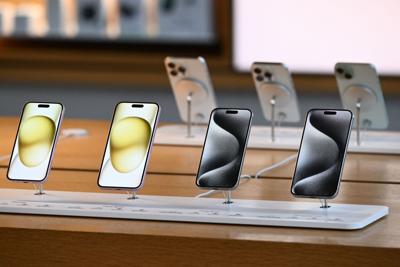
The Apple AI lawsuit surrounding the company’s much-publicized Apple Intelligence platform has ended in a massive proposed settlement worth up to $250 million, with eligible iPhone buyers in the United States set to receive compensation.
The case accused Apple of misleading consumers about artificial intelligence features promoted during the launch of the iPhone 15 and iPhone 16 lineup. The settlement, filed in a California federal court, does not include any admission of wrongdoing by Apple.
Apple AI lawsuit targets Siri and AI promises
At the center of the Apple AI lawsuit were claims that Apple exaggerated the capabilities and availability of several AI-powered tools marketed under the Apple Intelligence brand.
Lawyers representing consumers argued that Apple promoted features that either were unavailable at launch or may not arrive for years. One major complaint involved the upgraded Siri assistant, which Apple had presented as a significantly more advanced AI-powered personal assistant.
According to the lawsuit, the promised version of Siri never fully materialized for many users who purchased the latest iPhones expecting those capabilities.
Settlement could pay users up to $95
Under the terms of the proposed agreement, Apple will pay between $25 and $95 to eligible customers in the United States who purchased an iPhone 15 or iPhone 16 between June 2024 and March 2025.
The overall settlement amount could reach $250 million depending on the number of approved claims.
Apple said the dispute focused on only “two additional features” connected to the wider Apple Intelligence rollout. The company maintained that many AI tools had already been delivered to users as part of the software platform.
In a statement, Apple said it chose to settle the matter so it could remain focused on developing innovative products and services for customers.
Apple faces growing AI pressure
The Apple AI lawsuit comes during a period of intense competition among major technology firms racing to dominate the artificial intelligence market.
Companies such as OpenAI, Anthropic, Google, and Microsoft have aggressively expanded their AI offerings, placing pressure on Apple to accelerate its own AI strategy.
Critics have argued that Apple moved too slowly in the generative AI race, prompting the company to market Apple Intelligence as a transformative leap forward for the iPhone ecosystem.
Lawyers in the case claimed Apple’s advertising campaign attempted to position the company as a serious AI competitor despite lacking fully developed products at the time of launch.
Tim Cook and Apple under scrutiny
The Apple AI lawsuit has also renewed debate over Apple’s innovation strategy under outgoing chief executive Tim Cook.
Cook has faced criticism in recent years from some analysts and investors who believe Apple has become less disruptive compared to rivals pushing rapid AI innovation.
The lawsuit specifically highlighted Apple’s marketing of Siri as evolving from a basic voice interface into what it described as a “full-fledged personal AI assistant.” Plaintiffs argued those promises were misleading because the technology was not fully available when consumers bought the devices.
Apple continues AI expansion
Despite the legal challenge, Apple continues investing heavily in artificial intelligence and machine learning technologies.
Industry observers expect the company to introduce additional AI-powered features in future software and hardware updates as competition in the sector intensifies.
While the settlement may resolve the legal dispute, the Apple AI lawsuit has highlighted the growing risks tech companies face when marketing ambitious AI products before their capabilities are fully ready for consumers.