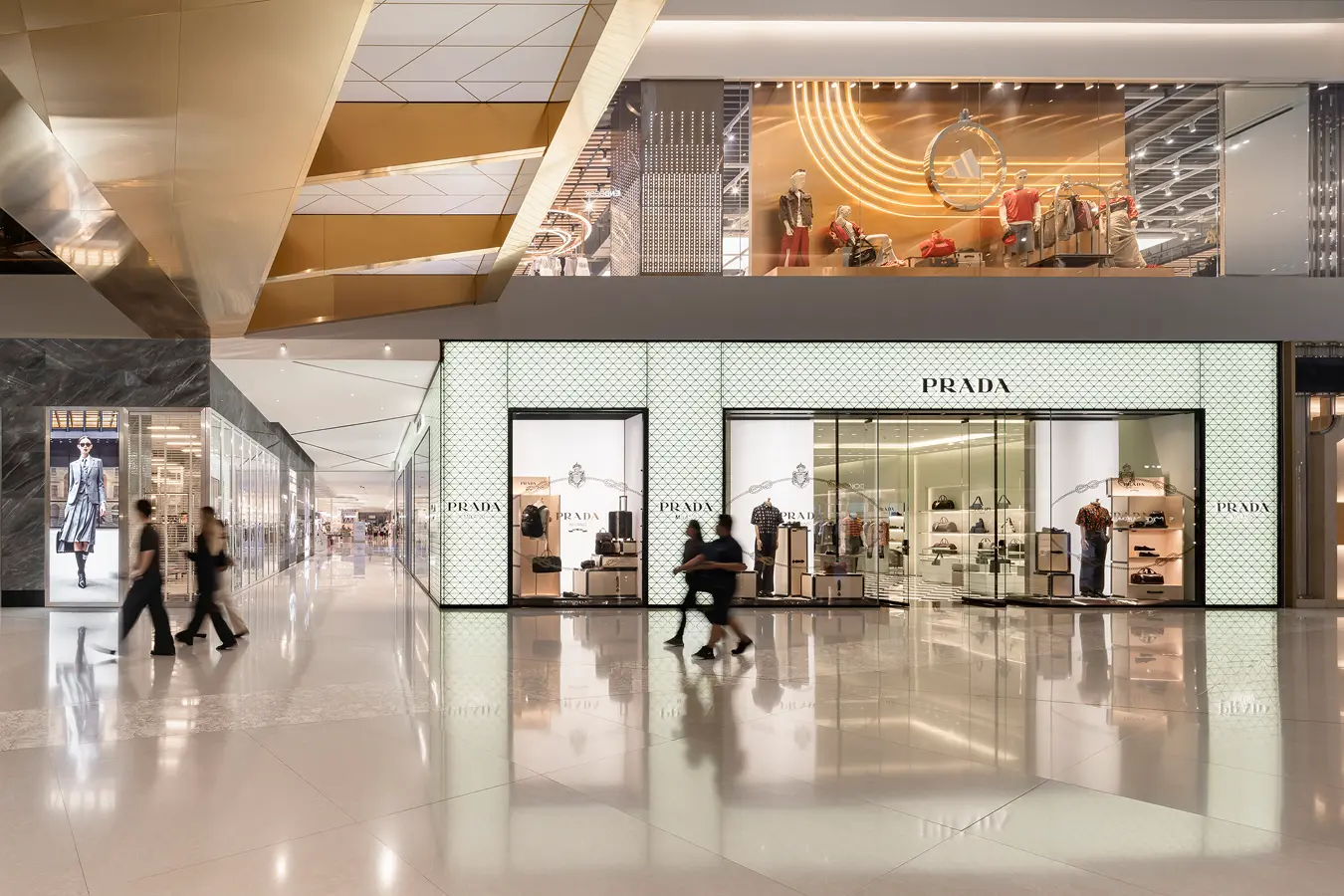
For decades, shopping malls were primarily places to buy clothes, electronics, and household goods. Today, that definition has changed dramatically. Modern malls have evolved into multi-purpose lifestyle hubs that combine retail, entertainment, dining, workspaces, and community experiences under one roof. As consumer behavior shifts and urban lifestyles become more dynamic, malls are redefining their purpose.
This article explains why malls are more than just shopping destinations, highlighting how they have transformed into social, cultural, and economic centers in cities around the world.
The Evolution of the Modern Mall
The traditional mall model focused on anchor stores and retail corridors. However, the rise of e-commerce and digital shopping forced mall developers to rethink their value proposition. Instead of competing solely on product availability, malls began focusing on experiences that cannot be replicated online.
Modern malls now emphasize ambiance, convenience, and engagement. They are designed to encourage longer visits, repeat foot traffic, and emotional connections rather than quick transactions.
Entertainment as a Core Attraction
One of the biggest shifts in mall design is the integration of entertainment. Cinemas, gaming arcades, bowling alleys, indoor amusement parks, and virtual reality experiences have become standard features.
Entertainment draws diverse age groups and extends visit duration. Families, couples, and young people often visit malls not to shop, but to relax and have fun. This transforms malls into leisure destinations rather than purely commercial spaces.
Dining and Culinary Experiences
Food is now central to the mall experience. Modern malls offer diverse dining options ranging from fast food and cafés to fine dining restaurants and international cuisine.
Food courts have evolved into curated dining spaces with stylish interiors and themed concepts. Restaurants and cafés encourage social interaction, meetings, and casual work sessions. For many visitors, dining is the main reason to visit a mall, with shopping becoming a secondary activity.
Social and Community Spaces
Malls increasingly function as social gathering points. Comfortable seating areas, open plazas, children’s play zones, and event spaces encourage people to spend time together.
Community events such as exhibitions, live performances, cultural festivals, and brand activations bring people together and strengthen local engagement. In many urban areas, malls serve as safe, accessible public spaces where people can meet, relax, and connect.
Work, Learning, and Productivity
The modern mall is also becoming a place for productivity. Co-working spaces, business lounges, and quiet cafés with reliable internet attract freelancers, students, and remote workers.
Educational centers, bookstores, and creative studios are being incorporated into mall layouts. This blend of work and leisure reflects changing lifestyles where people seek flexibility and convenience in a single location.
Health, Wellness, and Lifestyle Services
Another major evolution is the inclusion of health and wellness services. Gyms, yoga studios, spas, salons, clinics, and wellness centers are now common in malls.
These services encourage regular visits and position malls as part of everyday life rather than occasional shopping trips. Wellness-focused spaces align with growing consumer interest in self-care and healthy living.
Cultural and Experiential Design
Modern malls place strong emphasis on design and atmosphere. Architecture, interior styling, art installations, greenery, and natural light create immersive environments.
Some malls integrate local culture, heritage, and art into their design, making them destinations in their own right. Experiential design enhances emotional engagement and encourages visitors to explore and stay longer.
Economic and Urban Impact
Malls play a significant role in urban economies. They create employment across retail, hospitality, security, maintenance, and management sectors. They also support small businesses, local brands, and entrepreneurs through pop-up shops and flexible retail spaces.
From an urban planning perspective, malls often anchor mixed-use developments that include offices, residences, and hotels. This integration supports walkable communities and reduces the need for long commutes.
Technology and the Smart Mall Experience
Technology has further expanded the role of malls. Digital directories, mobile apps, smart parking systems, and personalized promotions enhance convenience and efficiency.
Some malls use data analytics to understand visitor behavior and improve services. Interactive displays and immersive digital experiences blur the line between physical and digital retail.
Why Malls Still Matter in the Digital Age
Despite the growth of online shopping, malls remain relevant because they fulfill human needs that technology alone cannot satisfy. People seek social interaction, sensory experiences, and shared moments that go beyond clicking “buy now.”
Malls offer curated environments where shopping, leisure, culture, and community intersect. This holistic experience keeps them relevant even as retail models evolve.
The Future of Malls
Looking ahead, malls are expected to become even more experience-driven and community-oriented. Sustainability, green spaces, flexible layouts, and digital integration will shape future developments.
Rather than disappearing, malls are adapting to reflect how people live, work, and socialize in a rapidly changing world.
Conclusion
Malls have evolved far beyond their original role as shopping centers. Today, they are lifestyle destinations that combine entertainment, dining, social interaction, wellness, work, and culture. The reason malls are more than just shopping destinations lies in their ability to adapt to human needs and urban lifestyles.
As cities grow and consumer expectations change, malls will continue to serve as vibrant hubs that bring people together, making them an essential part of modern urban life rather than relics of the past.