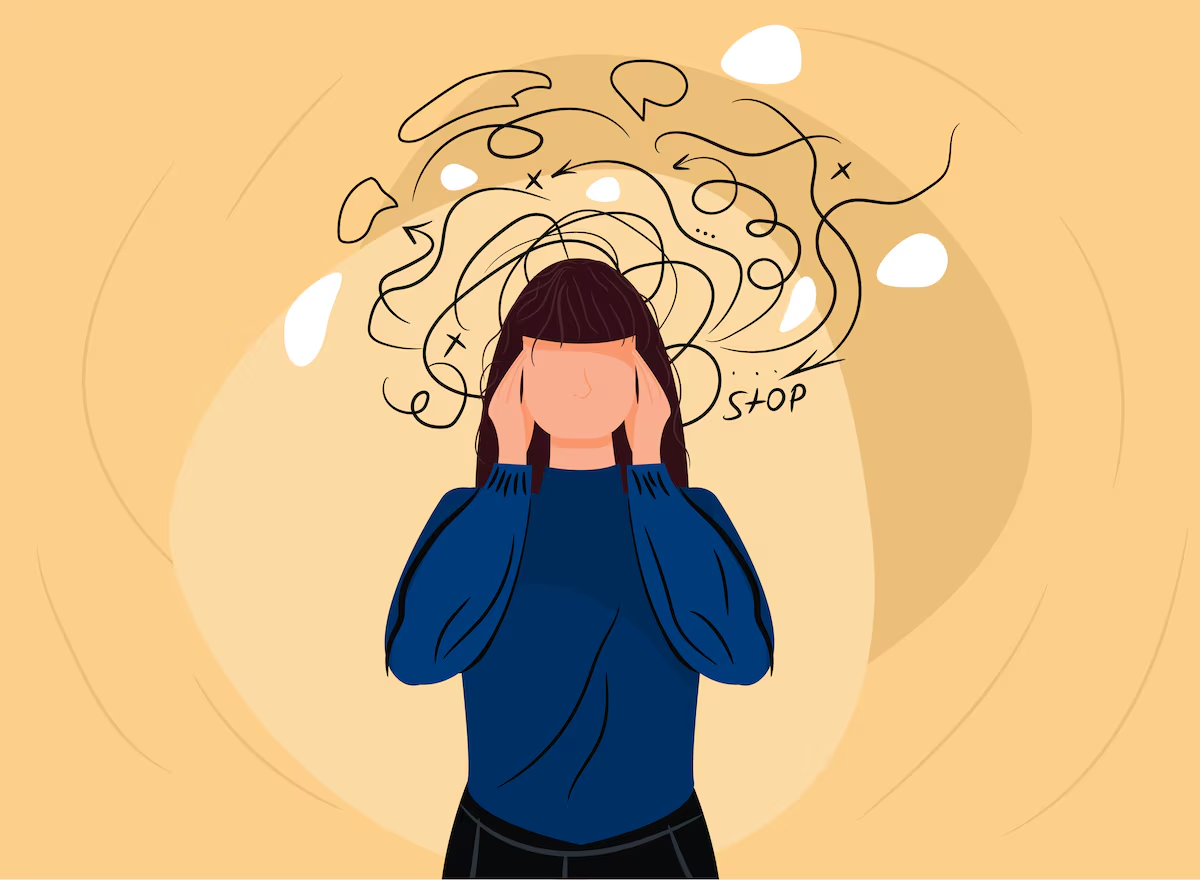
Menopause brain fog affects millions of women, causing memory lapses and concentration issues during the menopausal transition. By 2030, an estimated 47 million women globally will enter menopause annually, many experiencing cognitive challenges. Fortunately, lifestyle medicine offers evidence-based solutions to manage menopause brain fog through six pillars: sleep, physical activity, nutrition, stress management, social connection, and substance avoidance. This article explores how these strategies can enhance cognitive health and overall well-being for women in 2025.
Understanding Menopause Brain Fog
Menopause brain fog refers to difficulties with memory, focus, and mental clarity during menopause. Women may forget names, misplace items, or struggle to concentrate. For instance, a 2023 study in Menopause Journal found that 60% of women report cognitive issues during this transition. Hormonal fluctuations, particularly declining estrogen levels, drive these changes. However, hot flashes, poor sleep, and low mood also contribute. Thankfully, these symptoms are typically temporary and not linked to dementia.
Why Brain Fog Happens
Declining estrogen affects brain areas like the hippocampus, impacting memory. Meanwhile, hot flashes and night sweats disrupt sleep, worsening cognitive function. Stress and mood changes further amplify menopause brain fog. For example, chronic stress raises cortisol levels, which may accelerate brain aging. Therefore, addressing these factors through lifestyle changes is key to relief.
The Role of Lifestyle Medicine
Lifestyle medicine uses evidence-based interventions to manage chronic conditions and can effectively combat menopause brain fog. Its six pillars—sleep, physical activity, nutrition, stress management, social connection, and substance avoidance—offer practical ways to support brain health. Below, we explore each pillar and its benefits.
Sleep: The Foundation of Cognitive Health
Sleep is critical for memory consolidation and brain repair. Yet, one in three menopausal women experiences sleep disturbances due to hot flashes or anxiety. Poor sleep worsens menopause brain fog, creating a vicious cycle. To improve sleep hygiene, try these steps:
- Avoid caffeine after noon.
- Limit screen time before bed.
- Maintain a consistent sleep schedule.
- Keep your bedroom cool, ideally at 65°F.
Morning outdoor walks also promote better sleep by regulating circadian rhythms. For more tips, visit our sleep hygiene guide.
Physical Activity: Boosting Brain and Body
Physical activity is a powerful tool to combat menopause brain fog. It increases blood flow to the brain, reduces inflammation, and enlarges the hippocampus. Additionally, it improves mood, sleep, and bone health, which are vital during menopause. The World Health Organization recommends 150–300 minutes of moderate aerobic activity weekly, plus two strength-training sessions. For instance, brisk walking or yoga can make a difference. A 2024 Journal of Aging Research study found that regular exercise reduced cognitive complaints in 70% of menopausal women.
Nutrition: Fueling Cognitive Clarity
A brain-healthy diet can alleviate menopause brain fog. The Mediterranean diet, rich in vegetables, fruits, whole grains, nuts, olive oil, and fish, supports memory and reduces cognitive decline. Omega-3 fatty acids, found in salmon and flaxseeds, are particularly beneficial. Conversely, avoiding ultra-processed foods and added sugars stabilizes energy levels. For example, a 2025 Nutrients study linked Mediterranean diet adherence to a 30% lower risk of cognitive issues in menopausal women. Explore meal plans at Harvard Health.
Stress Management: Clearing the Mind
Chronic stress exacerbates menopause brain fog by elevating cortisol, which impairs focus. Menopause can be stressful due to physical and emotional changes. Mindfulness, yoga, and breathing exercises reduce stress and improve concentration. For instance, cognitive behavioral therapy (CBT) helps reframe negative thoughts. Hobbies like painting or gardening also promote a state of “flow,” relieving stress. A 2023 Lancet study showed that mindfulness reduced menopausal symptoms in 65% of participants.
Social Connection: Supporting Emotional Health
Social connection is often overlooked but vital for brain health. Menopause can lead to isolation, worsening mood and cognition. Strong social ties stimulate the brain and buffer stress. For example, regular coffee dates or joining a book club can boost emotional well-being. Quality matters more than quantity—brief, positive interactions make a difference. A 2025 American Journal of Public Health study found that socially active women reported 40% fewer cognitive complaints during menopause.
Avoiding Harmful Substances
Alcohol, tobacco, and recreational drugs worsen menopause brain fog. Alcohol disrupts sleep and increases anxiety, while smoking impairs blood flow to the brain. Reducing alcohol intake—limiting to one drink daily—improves cognitive clarity. If cutting back is challenging, consult a healthcare provider or visit SAMHSA for support. Avoiding these substances enhances sleep and mood, supporting overall cognitive health.
Starting Small for Big Results
Making lifestyle changes can feel daunting, especially during menopause. Financial or time constraints may add challenges. However, small steps can significantly reduce menopause brain fog. Start with one change, like a 10-minute daily walk or a fixed bedtime. Gradually incorporate other pillars, such as adding Mediterranean diet meals or joining a local club. Consistency is key—small efforts compound over time.
Overcoming Barriers
Women facing financial pressures can access free resources. For instance, community centers offer yoga classes, and apps like Insight Timer provide free mindfulness exercises. Additionally, walking in local parks is cost-free and effective. Our budget-friendly wellness guide offers more ideas for accessible lifestyle changes.
Why Lifestyle Medicine Matters
Menopause brain fog is distressing but manageable. By focusing on lifestyle medicine, women can address cognitive health holistically. The six pillars work together to reduce symptoms and enhance well-being. For example, better sleep improves focus, while exercise boosts mood. These changes empower women to navigate menopause with confidence.
Conclusion
Menopause brain fog affects many women, but lifestyle medicine offers practical solutions. By prioritizing sleep, exercise, nutrition, stress management, social connection, and substance avoidance, women can clear the fog and thrive. Start small, stay consistent, and consult resources like Mayo Clinic or our menopause wellness guide for support. In 2025, take charge of your cognitive health and embrace this transition with resilience.