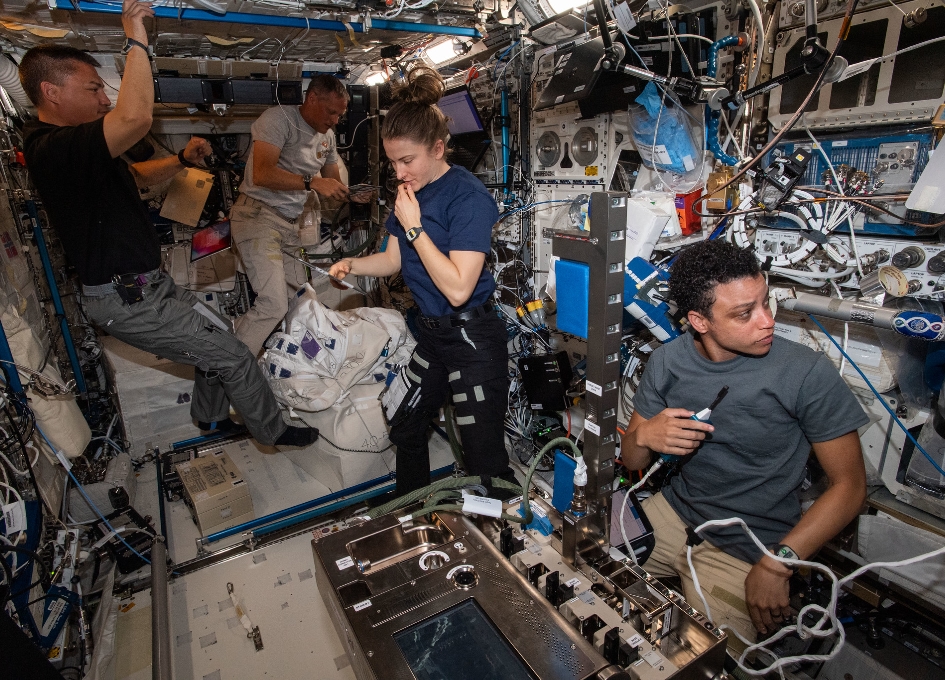
Space human research is becoming a major focus as China prepares for longer missions beyond Earth. With plans for future lunar landings and extended stays in orbit, scientists are now working to better understand how space affects the human body.
China has announced a new initiative that will open the door for researchers to explore some of the biggest challenges facing astronauts. The goal is simple but ambitious: ensure humans can live and work safely in space for longer periods.
What the space human research program will focus on
The new space human research program will officially begin accepting proposals in early April. It is designed to tackle complex scientific questions related to human survival in space.
Researchers will study how microgravity affects the body, including bones and muscles. They will also examine how long-term space travel impacts the heart, metabolism, brain function, and even aging.
To support this effort, scientists will work with human samples, cells, and organ-like structures. The program also aims to build a detailed database and a “space human atlas” to guide future discoveries.
Why space human research matters now
Space human research is becoming more urgent as missions grow longer and more frequent. China’s space station is expected to host multiple crews this year, including one astronaut who could remain in orbit for over a year.
At the same time, the country is working toward a crewed moon landing in the near future. These goals require a deeper understanding of how space conditions affect the human body over time.
As more people spend extended periods in space, their health and safety become a top priority.
How the Tiangong station supports research
China’s orbiting space station, known as Tiangong, is already playing a key role in advancing space human research. It serves as a laboratory where scientists can conduct experiments in real space conditions.
Since earlier calls for research proposals, hundreds of projects have been submitted, and dozens have already been carried out onboard the station.
These studies are helping researchers gather valuable data that cannot be replicated on Earth.
Benefits of space human research on Earth
While the focus is on space, space human research is also bringing benefits back to Earth. Many findings from space medicine are improving our understanding of human health in everyday life.
For example, recent breakthroughs include studies on artificial blood vessel tissues and organ chips. These innovations are helping scientists learn more about heart disease, muscle health, and age-related conditions.
They also support the development of new treatments and drugs, making the research valuable beyond space exploration.
What the future holds for space human research
The future of space human research looks promising as technology continues to evolve. With better tools and more data, scientists will be able to develop safer missions and improve the overall experience of living in space.
China’s growing investment in this area reflects its broader ambition to become a leader in space and technology. The research being done today could shape how humans explore space for decades to come.
Space human research is no longer just a scientific curiosity. It is becoming essential as humanity prepares for longer journeys beyond Earth.
By studying how the body reacts to space, researchers can protect astronauts and improve health outcomes on Earth. As missions expand, this research will play a central role in the future of exploration.